Karaoke Queue System
Scope
Karaoke Queue System
Client
118 The Lane
Year
2026
Industry
Hospitality
Context
118 The Lane runs a weekly karaoke night. They were running their submissions to sing by collecting song requests on scraps of paper, a system that quickly becomes unmanageable: lost slips, unreadable handwriting, missing information, and no reliable sense of who was up next. In addition participants who sing get a free shot so the bar staff needed a way to track who was due a free shot in a busy night
Challenge
Replace the paper chaos with something that works more seamlessly on a busy night. It had to be something that was easy enough for a diverse crowd to use without instruction, and robust enough for hosts and bar staff to run the room.
The Idea
One lightweight system serving three different people at once. A submitter who just wants to get their song in, a host who need to run a clean queue, and bar staff who needs to know who to serve a drink to.
Execution
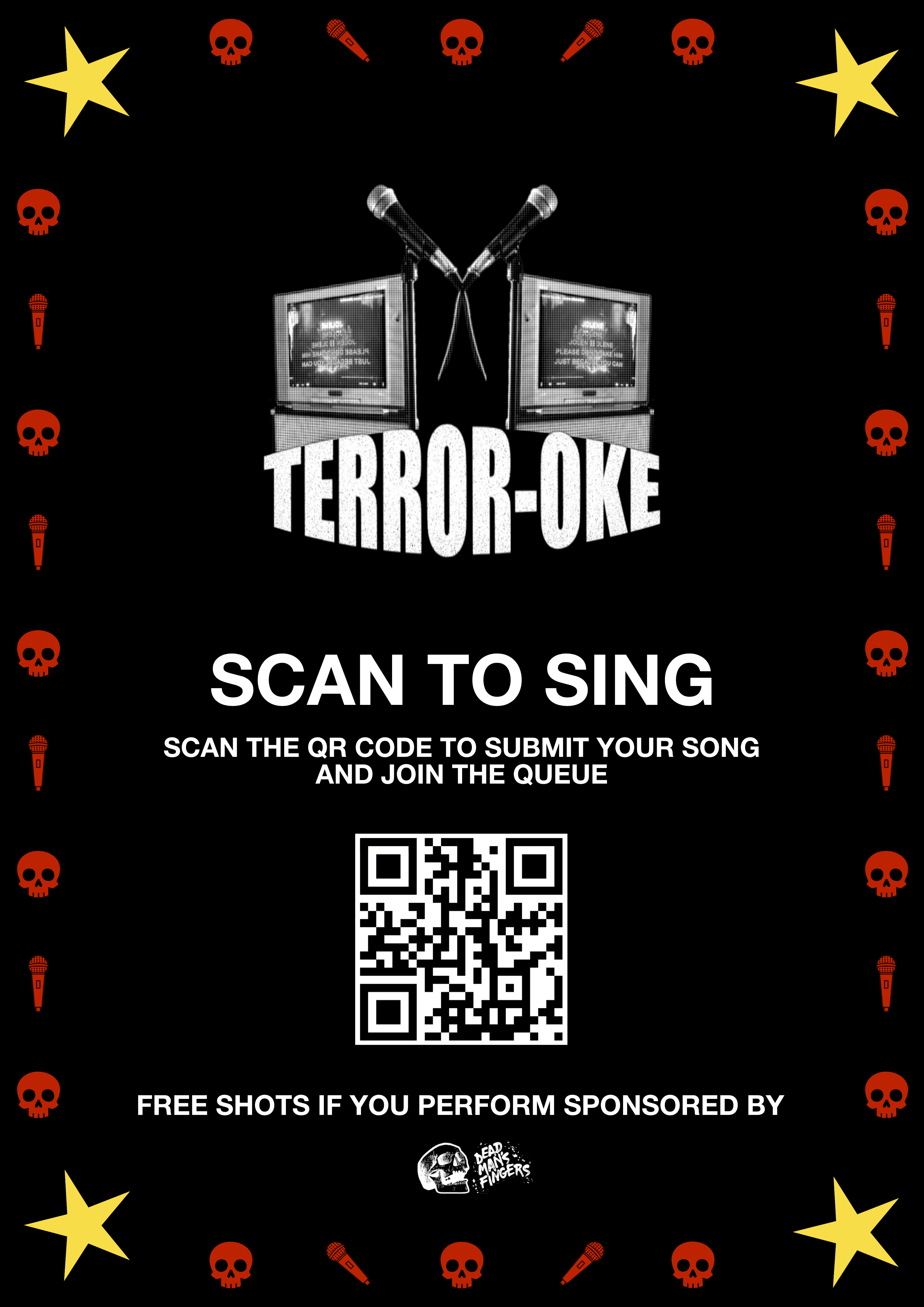
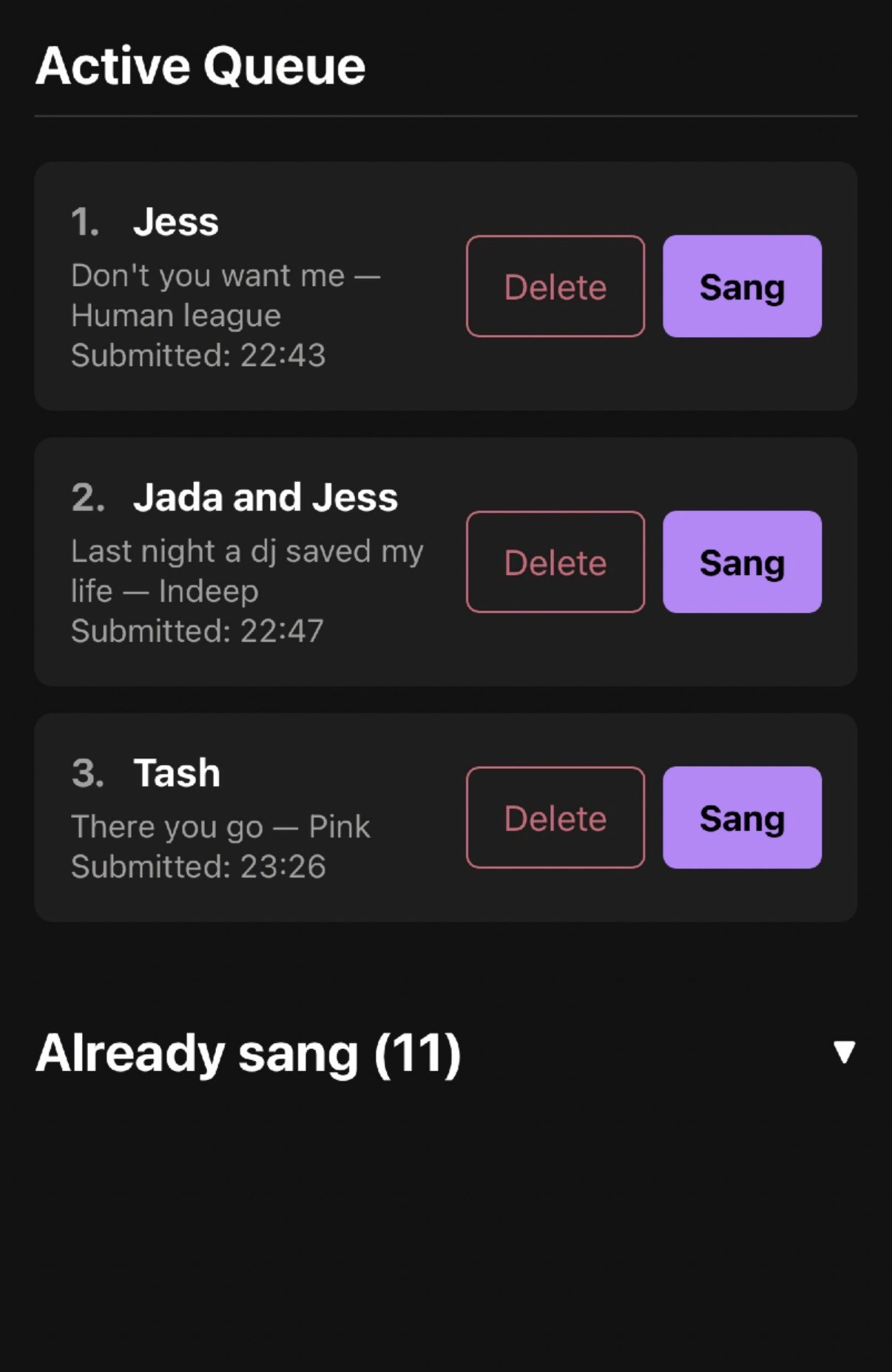
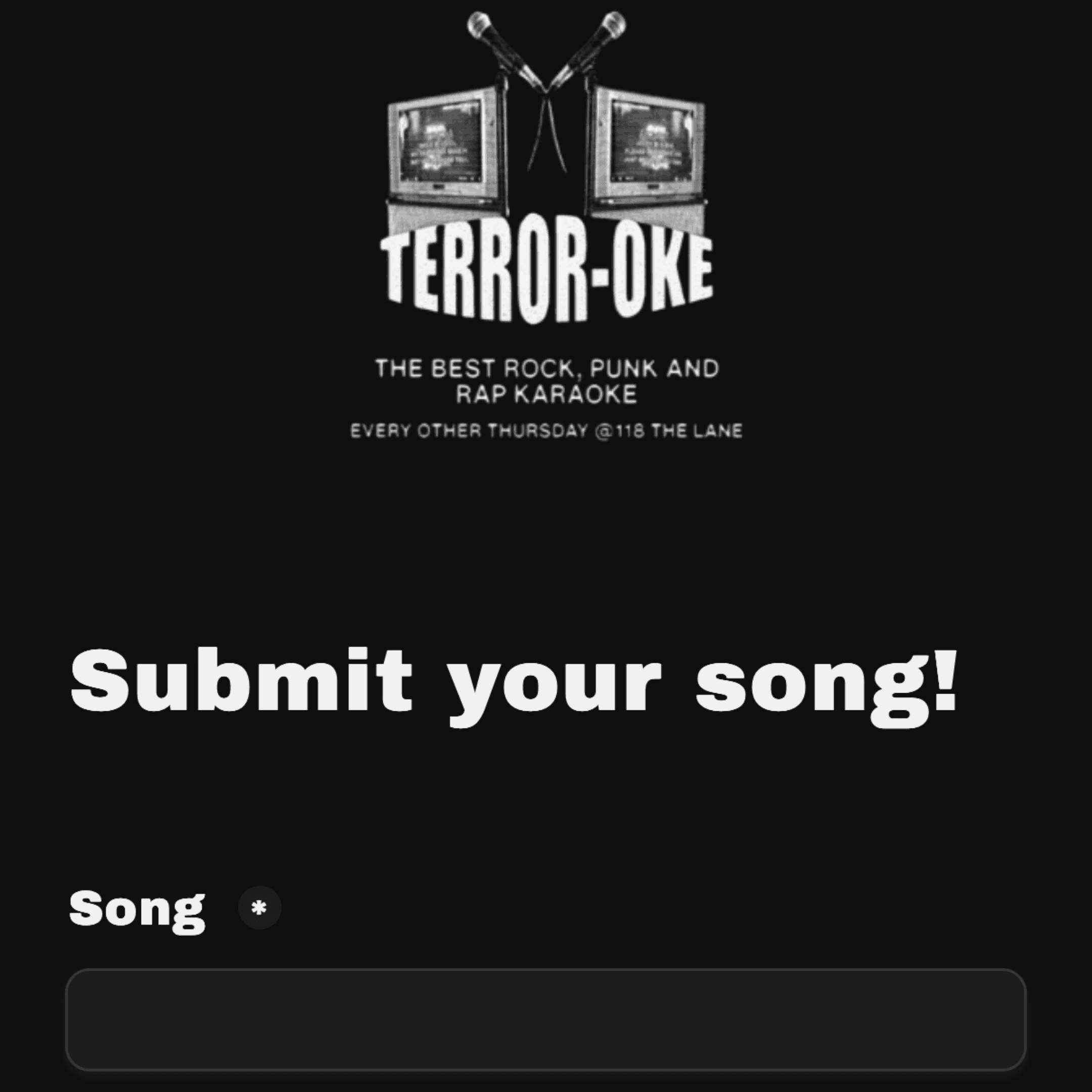
I designed the full system and its architecture, then built it myself using AI-assisted development but deliberately stripping out over-engineering to keep it simple and fit for purpose. Singers scan a QR code on a table card, land on a form, and submit their name, song, and artist which then goes straight into a live database. Hosts get a queue view with controls to mark who has sung and restore any entry pulled by accident. And because the night is drinks-sponsored, with a free shot for every performer, bar staff get their own view to track who has claimed theirs, keeping things moving when the bar is slammed.
Impact
The nights now run much smoother, no one has to run around looking for paper and pens to submit a song because each table has a QR code ready to scan. Hosts know exactly who is up next and have the right information to introduce each new singer so they can focus on hosting rather than desperately deciphering information. The result is a paper-free karaoke night where submissions, the running order, and the bar perk all stay in sync, turning a messy manual scramble into something that runs itself.